Preventive Pest Control Fort Worth TX is one of the most effective ways to maintain a clean, safe, and comfortable environment. Rather than waiting for infestations to develop, proactive strategies focus on reducing the conditions that allow pests to thrive in the first place. Homes and buildings naturally attract insects and rodents because they provide shelter, warmth, and access to food or water. Without consistent prevention, even well-maintained spaces can become vulnerable to recurring pest problems. By understanding the principles behind preventive pest control, property owners can reduce risks, protect structural integrity, and avoid costly treatments later.
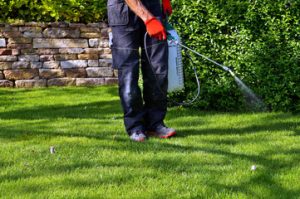
Many people think pest control only becomes necessary when visible signs appear, but prevention begins long before pests are seen. A strong preventive approach combines routine inspections, environmental management, sanitation practices, and structural maintenance. These measures work together to create an environment that is less appealing to pests while supporting long-term property care. Preventive pest control is not a one-time task; it is an ongoing process that evolves with seasonal changes, building conditions, and daily habits.
Understanding Why Prevention Matters
Preventive pest control strategies are designed to stop infestations before they start. When pests gain access to a property, they often establish nesting areas that are difficult to locate and remove. Eliminating these infestations can require significant time and effort, especially if pests have spread throughout hidden spaces such as walls, ceilings, or storage areas. Prevention reduces the likelihood of these challenges by addressing vulnerabilities early.
One of the most important benefits of prevention is cost efficiency. Minor structural repairs, improved sanitation, and regular inspections typically require less investment than dealing with widespread infestations or property damage. Preventive strategies also help maintain indoor comfort and reduce health concerns associated with pests. By focusing on prevention, property owners create a stable environment that supports long-term cleanliness and safety.
Another advantage is peace of mind. Knowing that proactive measures are in place allows occupants to focus on daily activities without worrying about unexpected pest issues. Prevention shifts the focus from reactive solutions to long-term protection, making it an essential part of responsible property management.
Sealing Entry Points and Strengthening Structural Defenses
One of the most effective preventive strategies involves limiting how pests enter a property. Even small openings around doors, windows, vents, or utility lines can provide easy access for insects and rodents. Over time, normal wear and tear can create cracks or gaps that go unnoticed, allowing pests to move indoors without detection.
Regular inspections of the building’s exterior help identify potential entry points. Sealing cracks, repairing damaged screens, and ensuring doors close tightly are simple yet powerful ways to reduce pest access. Weather stripping and proper sealing materials can create barriers that prevent pests from slipping through small openings.
Key structural prevention steps often include:
- Repairing gaps in walls, foundations, and roofing materials
- Installing door sweeps or mesh coverings to block small intruders
These small adjustments make a significant difference because pests tend to follow predictable pathways. By closing off these routes, property owners create a strong first line of defense that reduces the likelihood of infestations.
Managing Moisture and Reducing Water Sources
Moisture plays a major role in attracting pests. Standing water, leaks, and high humidity levels create ideal conditions for many species to thrive. Kitchens, bathrooms, basements, and utility areas are especially vulnerable because they often contain hidden moisture sources. Preventive pest control strategies should always include regular monitoring of plumbing systems and drainage areas.
Fixing leaks promptly and improving ventilation can reduce humidity levels, making indoor environments less attractive to pests. Proper drainage around the exterior of a building is equally important. Water that collects near foundations may encourage pests to settle nearby before eventually moving indoors.
Routine maintenance tasks such as cleaning gutters, repairing damaged pipes, and ensuring proper airflow help maintain a dry environment. These steps not only discourage pests but also protect building materials from long-term moisture damage. By managing water sources effectively, property owners remove one of the primary factors that contribute to pest activity.
Improving Sanitation and Food Storage Practices
Sanitation is one of the most powerful tools in preventive pest control. Pests are often drawn to easily accessible food sources, including crumbs, spills, or improperly stored items. Maintaining clean surfaces and secure storage areas can significantly reduce the chances of attracting unwanted visitors.
Regular cleaning routines should focus on both visible and hidden areas. Under appliances, behind furniture, and inside cabinets are common places where food debris accumulates unnoticed. Keeping these spaces clean eliminates potential feeding grounds that pests rely on to survive.
Effective sanitation strategies may include:
- Storing food in sealed containers and cleaning up spills immediately
- Managing waste properly and removing trash regularly
Consistency is key when it comes to sanitation. Even small lapses in cleaning habits can create opportunities for pests to establish themselves. By maintaining a tidy environment, property owners make it more difficult for pests to find the resources they need to thrive.
Landscaping and Outdoor Maintenance
Preventive pest control extends beyond the interior of a building. Outdoor conditions often influence whether pests move closer to structures. Overgrown vegetation, cluttered yards, and poorly maintained storage areas can provide shelter and breeding grounds that increase infestation risks.
Keeping landscaping well-maintained is an essential step in prevention. Trimming plants away from walls, removing debris, and maintaining clear pathways around the building reduce hiding spots for pests. Firewood, compost bins, and outdoor equipment should be stored at a safe distance from structures to prevent pests from nesting nearby.
Lighting choices can also impact pest activity. Bright lights near entryways may attract insects, which in turn attract predators or scavengers. Adjusting lighting placement and reducing unnecessary illumination can help minimize pest attraction. By creating a clean and organized outdoor environment, property owners strengthen their overall pest prevention strategy.
Routine Inspections and Early Detection
Preventive pest control relies heavily on regular inspections. Identifying early warning signs such as droppings, unusual odors, or minor damage allows property owners to address issues before they escalate. Inspections should include both interior and exterior areas, focusing on places where pests are most likely to hide.
Scheduling periodic checks helps ensure that potential vulnerabilities are addressed promptly. Even small changes in building conditions, such as new cracks or increased moisture, can create opportunities for pests. By staying attentive to these details, property owners maintain control over their environment.
Inspections also provide an opportunity to evaluate the effectiveness of existing prevention measures. Adjustments can be made as needed to account for seasonal changes or new environmental factors. This proactive approach ensures that preventive strategies remain effective over time.
The Role of Professional Preventive Services
While many preventive tasks can be managed independently, professional pest control services offer an added layer of protection. Experts have the training and experience needed to identify hidden risks that may not be obvious during routine inspections. Professional evaluations often include detailed assessments of structural conditions, environmental factors, and pest behavior patterns.
Preventive services may involve targeted treatments, monitoring systems, and recommendations tailored to the specific needs of a property. These services help maintain long-term pest resistance and provide valuable insights into maintaining a pest-free environment.
Working with professionals also ensures that preventive measures align with safety standards and best practices. This collaborative approach combines professional expertise with everyday maintenance habits, creating a comprehensive strategy for long-term pest management.
Building Long-Term Preventive Habits
Successful preventive pest control depends on consistency. Small, routine actions often have the greatest impact over time. Developing habits such as regular cleaning, proper storage, and timely repairs helps create an environment that discourages pests from settling in.
Education plays an important role in prevention. Occupants who understand how pests are attracted to certain conditions are more likely to maintain habits that support pest-free living. Simple awareness of common risk factors can lead to meaningful changes that reduce infestation risks.
Long-term prevention also involves adapting to changing conditions. Seasonal weather shifts, renovations, or changes in occupancy can influence pest activity. Staying flexible and adjusting preventive strategies as needed ensures that protection remains effective throughout the year.
Preventive pest control strategies are essential for maintaining healthy, comfortable homes and buildings. By focusing on structural maintenance, moisture management, sanitation, landscaping, and regular inspections, property owners can reduce the risk of infestations before they begin. Prevention not only saves time and money but also protects indoor environments from the stress and disruption that pests can cause.
Taking a proactive approach to pest control empowers property owners to maintain long-term stability and peace of mind. Rather than reacting to visible infestations, preventive strategies create a strong foundation for ongoing protection. With consistent effort and attention to detail, homes and buildings can remain cleaner, safer, and better prepared to resist unwanted pests in the future.