Cabinet Refinishing FAQs for Homeowners

Cabinets play a major role in your kitchen’s overall look and feel. Over time, however, they can become dated or show signs of wear and tear.

While full replacement costs more, San Jose cabinet refinishing offers a budget-friendly alternative. But what does this process entail, and how long will it take? Here are some answers to these common FAQs.
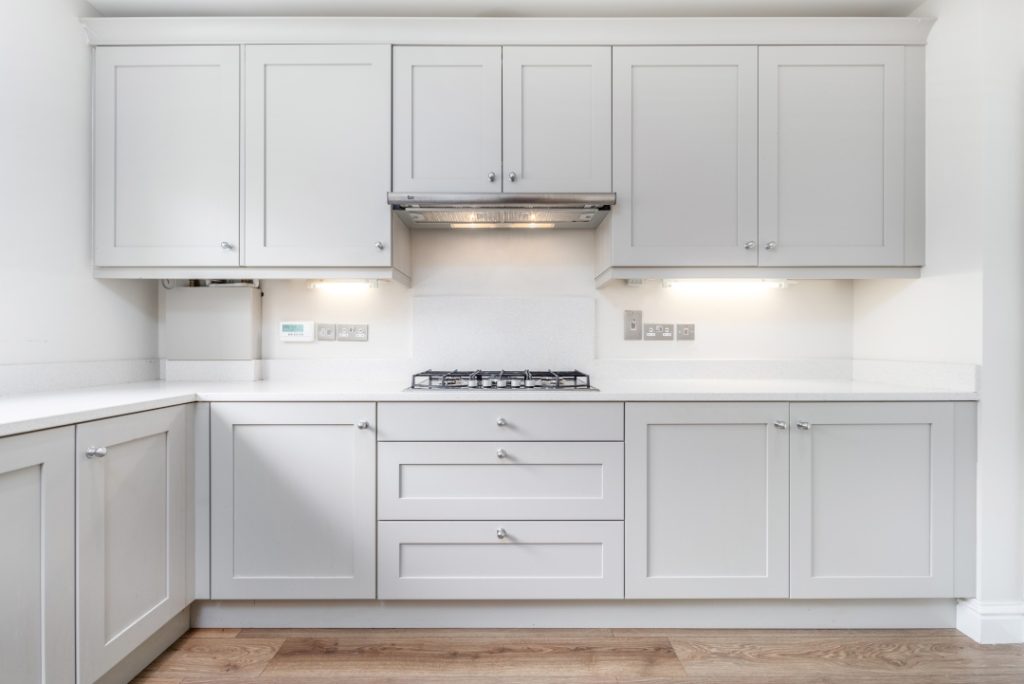
Cost

Refinishing cabinets is a more budget-friendly option than refacing or replacing them. In fact, it can cost 30-50% less. A major benefit is that you preserve the integrity of your well-built cabinets and give them a refreshed look. It’s the perfect solution for a modern update that doesn’t require a significant financial investment.

The average cabinet refinishing job costs around $4,000. The exact price will vary depending on your home, the amount of work required, and what type of finish you choose. It’s a good idea to get quotes from multiple pros before you decide to proceed with any project. In addition, you can save money by refinishing your cabinets yourself instead of hiring professionals.

You can also save money by choosing a high-quality paint that resists dirt, grime, and chipping. This will prolong the life of your new finish and help you avoid costly repairs in the future. In addition, be sure to use proper prep techniques like sanding and cleaning before applying the final coat of finish. Avoid using harsh chemicals or abrasives to clean your cabinets, as they can strip the finish and cause discoloration.

Another benefit of refinishing is the design flexibility it offers. You can choose a wide variety of colors and finishes to match your style. For example, you can go from a dark wood to a bright white or experiment with bold shades. You can also achieve a rustic or traditional appearance that mimics a natural wood finish.

Refinishing is a much faster process than cabinet replacement, which can take weeks or even months to complete. It’s also less invasive and requires minimal disruption to your daily routine. The only exception is when you’re sanding and staining your cabinets, which can create a lot of dust and debris.

If you’re worried about the environmental impact of a full cabinet replacement, refinishing is a great option. It can reduce the number of materials that end up in landfills, while still providing a visually appealing update to your kitchen or bathroom. It’s also an excellent choice for cabinets that have minor damage, like scratches or stains, that aren’t severe enough to warrant a full replacement.

Durability

Cabinet refinishing involves staining or painting over existing cabinet doors and drawer fronts, changing the appearance of your cabinets without replacing them. This is a cost-effective option for homeowners who want to refresh their kitchen with a new color scheme, but don’t need or desire a full remodel.

The longevity of refinishing depends on the quality of products used, environmental conditions, and regular maintenance. Professional-grade stains and paints offer higher durability than standard DIY options, resisting moisture and grease better over time. They also resist swelling and fading better in humid environments. In addition, homeowners can help extend the life of their finish by routinely cleaning their cabinets with a mild soap solution and promptly wiping away spills or grease spots.

If your cabinets are well-maintained, refinishing can last up to ten years before needing another update. However, because natural wood is more susceptible to absorbing grease and water marks than painted surfaces, it will need re-coating sooner. Homeowners who prefer the look of natural wood may find this is a trade-off worth making.

While refinishing can change the look of your cabinets, it doesn’t address larger issues with the layout or functionality of your kitchen. If you have a dated layout or poor cabinet placement, replacing your cabinet doors and drawer fronts via refacing could be a more suitable solution.

Replacing your cabinets involves tearing out all of the old ones and installing brand-new cabinetry, which is a much more invasive project than simply refinishing or painting your existing cabinetry. It can take weeks or months to complete a full replacement, making the space inoperable for the majority of that time and turning your home into a construction zone.

Refinishing, on the other hand, is less invasive and can be completed within days or a week. During this time, you’ll still need to make arrangements for food prep and clean up, but the disruption is far less severe than with a complete kitchen remodel. The shorter turnaround time makes refinishing an attractive option for homeowners who want a quick visual change without the hassle of an extensive renovation.

Timeline

Cabinet refinishing is a less labor-intensive upgrade than refacing, but it’s still a major home improvement project. Unlike a kitchen remodel that can take weeks of construction, refinishing requires fewer interruptions and allows you to maintain full functionality while upgrading your home’s look.

The timeline for cabinet refinishing will depend on the type of finish you choose and whether any repairs are necessary. For example, if you want to change from dark to light paint or restyle your doors to different profiles, you’ll need to do more prep that can add up to extra days in the project. Achieving a smooth, even coat of paint or stain takes multiple layers, and drying time between each step is critical to durability.

Refinishing teams remove cabinet doors and drawer fronts, labeling each for proper reinstallation, then clean the surfaces to remove grease and cooking residue that prevents paint adhesion. They may also need to fill in dents, cracks, and deep scratches to make sure the cabinets are structurally sound. Once the surfaces are in good condition, they can be sanded and ready for the new finish.

Painting involves multiple steps, including sanding between each coat, priming, and taping the edges of walls and cabinets to protect them. It also requires careful application with a sprayer or brush, and drying times can take longer than expected due to humidity and temperature. For a flawless finish, professionals use high-quality products like urethane or enamel that resist fingerprints and moisture better than traditional wall paint.

If you’re planning to refinish your cabinet doors, choose a timeline that works well with your personal and family schedules. It’s best to avoid scheduling your refinishing project during a busy season or a hectic time in your life, as this can lead to frustration and stress.

Depending on your preferences, you might be able to complete a cabinet refinishing project in as few as five to ten days. Refinishing projects typically require four to seven working days on-site, and reassembling your cabinetry can take an additional two to three weeks at the shop to ensure perfect results.

Expected Results

Refinishing your cabinets involves sanding down the existing surface and applying a new coat of paint or stain. It’s a process that can be performed by a professional contractor or DIYer, but it requires significant preparation. The type of material your cabinet doors are made from determines the refinishing method you choose. Wood cabinets, for example, may require a special type of sander to achieve a smooth finish. Laminate, on the other hand, is not porous and will not absorb stain. Before you start, consult with your project lead to discuss what results you expect.

Keep in mind that cabinet refinishing is a cosmetic change and does not address imperfections such as dents or scratches. It also doesn’t improve functionality or make your cabinets easier to open. However, it can deliver major visual impact at a fraction of the cost of a full kitchen remodel.

If your cabinet refinishing project involves painting your cabinets, be prepared for a messy job. The sanding and application of the solvent-borne lacquer can create a lot of dust and fumes that can linger for days. You will likely need to plan your meals outside of the house and stay out of the kitchen during this time, especially if you have young children or allergies.

A HEPA dustless vacuum, large window fans, and plastic wrap will help you avoid long-lasting fumes in your home. Be sure to ask your contractor about the use of a dustless sander, as this can save you a lot of mess. You should also avoid using harsh cleaning products on your newly refinished cabinets. These can damage the surface and cause it to dull or discolor over time.

Aside from refinishing your cabinet doors, you can also consider upgrading your hardware with soft-close hinges and new pulls. While these upgrades are not necessary for your cabinet refinishing project, they can add to the overall value of your kitchen and bathroom. A  well-planned cabinet upgrades can deliver up to an 80% return at resale. This makes cabinet refinishing an excellent way to increase the value of your home without spending the money on a full kitchen remodel.

Preventive Pest Control Strategies for Homes and Buildings

Preventive Pest Control Fort Worth TX is one of the most effective ways to maintain a clean, safe, and comfortable environment. Rather than waiting for infestations to develop, proactive strategies focus on reducing the conditions that allow pests to thrive in the first place. Homes and buildings naturally attract insects and rodents because they provide shelter, warmth, and access to food or water. Without consistent prevention, even well-maintained spaces can become vulnerable to recurring pest problems. By understanding the principles behind preventive pest control, property owners can reduce risks, protect structural integrity, and avoid costly treatments later.

pest control

Many people think pest control only becomes necessary when visible signs appear, but prevention begins long before pests are seen. A strong preventive approach combines routine inspections, environmental management, sanitation practices, and structural maintenance. These measures work together to create an environment that is less appealing to pests while supporting long-term property care. Preventive pest control is not a one-time task; it is an ongoing process that evolves with seasonal changes, building conditions, and daily habits.

Understanding Why Prevention Matters

Preventive pest control strategies are designed to stop infestations before they start. When pests gain access to a property, they often establish nesting areas that are difficult to locate and remove. Eliminating these infestations can require significant time and effort, especially if pests have spread throughout hidden spaces such as walls, ceilings, or storage areas. Prevention reduces the likelihood of these challenges by addressing vulnerabilities early.

One of the most important benefits of prevention is cost efficiency. Minor structural repairs, improved sanitation, and regular inspections typically require less investment than dealing with widespread infestations or property damage. Preventive strategies also help maintain indoor comfort and reduce health concerns associated with pests. By focusing on prevention, property owners create a stable environment that supports long-term cleanliness and safety.

Another advantage is peace of mind. Knowing that proactive measures are in place allows occupants to focus on daily activities without worrying about unexpected pest issues. Prevention shifts the focus from reactive solutions to long-term protection, making it an essential part of responsible property management.

Sealing Entry Points and Strengthening Structural Defenses

One of the most effective preventive strategies involves limiting how pests enter a property. Even small openings around doors, windows, vents, or utility lines can provide easy access for insects and rodents. Over time, normal wear and tear can create cracks or gaps that go unnoticed, allowing pests to move indoors without detection.

Regular inspections of the building’s exterior help identify potential entry points. Sealing cracks, repairing damaged screens, and ensuring doors close tightly are simple yet powerful ways to reduce pest access. Weather stripping and proper sealing materials can create barriers that prevent pests from slipping through small openings.

Key structural prevention steps often include:

  1. Repairing gaps in walls, foundations, and roofing materials
  2. Installing door sweeps or mesh coverings to block small intruders

These small adjustments make a significant difference because pests tend to follow predictable pathways. By closing off these routes, property owners create a strong first line of defense that reduces the likelihood of infestations.

Managing Moisture and Reducing Water Sources

Moisture plays a major role in attracting pests. Standing water, leaks, and high humidity levels create ideal conditions for many species to thrive. Kitchens, bathrooms, basements, and utility areas are especially vulnerable because they often contain hidden moisture sources. Preventive pest control strategies should always include regular monitoring of plumbing systems and drainage areas.

Fixing leaks promptly and improving ventilation can reduce humidity levels, making indoor environments less attractive to pests. Proper drainage around the exterior of a building is equally important. Water that collects near foundations may encourage pests to settle nearby before eventually moving indoors.

Routine maintenance tasks such as cleaning gutters, repairing damaged pipes, and ensuring proper airflow help maintain a dry environment. These steps not only discourage pests but also protect building materials from long-term moisture damage. By managing water sources effectively, property owners remove one of the primary factors that contribute to pest activity.

Improving Sanitation and Food Storage Practices

Sanitation is one of the most powerful tools in preventive pest control. Pests are often drawn to easily accessible food sources, including crumbs, spills, or improperly stored items. Maintaining clean surfaces and secure storage areas can significantly reduce the chances of attracting unwanted visitors.

Regular cleaning routines should focus on both visible and hidden areas. Under appliances, behind furniture, and inside cabinets are common places where food debris accumulates unnoticed. Keeping these spaces clean eliminates potential feeding grounds that pests rely on to survive.

Effective sanitation strategies may include:

  1. Storing food in sealed containers and cleaning up spills immediately
  2. Managing waste properly and removing trash regularly

Consistency is key when it comes to sanitation. Even small lapses in cleaning habits can create opportunities for pests to establish themselves. By maintaining a tidy environment, property owners make it more difficult for pests to find the resources they need to thrive.

Landscaping and Outdoor Maintenance

Preventive pest control extends beyond the interior of a building. Outdoor conditions often influence whether pests move closer to structures. Overgrown vegetation, cluttered yards, and poorly maintained storage areas can provide shelter and breeding grounds that increase infestation risks.

Keeping landscaping well-maintained is an essential step in prevention. Trimming plants away from walls, removing debris, and maintaining clear pathways around the building reduce hiding spots for pests. Firewood, compost bins, and outdoor equipment should be stored at a safe distance from structures to prevent pests from nesting nearby.

Lighting choices can also impact pest activity. Bright lights near entryways may attract insects, which in turn attract predators or scavengers. Adjusting lighting placement and reducing unnecessary illumination can help minimize pest attraction. By creating a clean and organized outdoor environment, property owners strengthen their overall pest prevention strategy.

Routine Inspections and Early Detection

Preventive pest control relies heavily on regular inspections. Identifying early warning signs such as droppings, unusual odors, or minor damage allows property owners to address issues before they escalate. Inspections should include both interior and exterior areas, focusing on places where pests are most likely to hide.

Scheduling periodic checks helps ensure that potential vulnerabilities are addressed promptly. Even small changes in building conditions, such as new cracks or increased moisture, can create opportunities for pests. By staying attentive to these details, property owners maintain control over their environment.

Inspections also provide an opportunity to evaluate the effectiveness of existing prevention measures. Adjustments can be made as needed to account for seasonal changes or new environmental factors. This proactive approach ensures that preventive strategies remain effective over time.

The Role of Professional Preventive Services

While many preventive tasks can be managed independently, professional pest control services offer an added layer of protection. Experts have the training and experience needed to identify hidden risks that may not be obvious during routine inspections. Professional evaluations often include detailed assessments of structural conditions, environmental factors, and pest behavior patterns.

Preventive services may involve targeted treatments, monitoring systems, and recommendations tailored to the specific needs of a property. These services help maintain long-term pest resistance and provide valuable insights into maintaining a pest-free environment.

Working with professionals also ensures that preventive measures align with safety standards and best practices. This collaborative approach combines professional expertise with everyday maintenance habits, creating a comprehensive strategy for long-term pest management.

Building Long-Term Preventive Habits

Successful preventive pest control depends on consistency. Small, routine actions often have the greatest impact over time. Developing habits such as regular cleaning, proper storage, and timely repairs helps create an environment that discourages pests from settling in.

Education plays an important role in prevention. Occupants who understand how pests are attracted to certain conditions are more likely to maintain habits that support pest-free living. Simple awareness of common risk factors can lead to meaningful changes that reduce infestation risks.

Long-term prevention also involves adapting to changing conditions. Seasonal weather shifts, renovations, or changes in occupancy can influence pest activity. Staying flexible and adjusting preventive strategies as needed ensures that protection remains effective throughout the year.

Preventive pest control strategies are essential for maintaining healthy, comfortable homes and buildings. By focusing on structural maintenance, moisture management, sanitation, landscaping, and regular inspections, property owners can reduce the risk of infestations before they begin. Prevention not only saves time and money but also protects indoor environments from the stress and disruption that pests can cause.

Taking a proactive approach to pest control empowers property owners to maintain long-term stability and peace of mind. Rather than reacting to visible infestations, preventive strategies create a strong foundation for ongoing protection. With consistent effort and attention to detail, homes and buildings can remain cleaner, safer, and better prepared to resist unwanted pests in the future.